What to Know About T-Bone Car Accidents
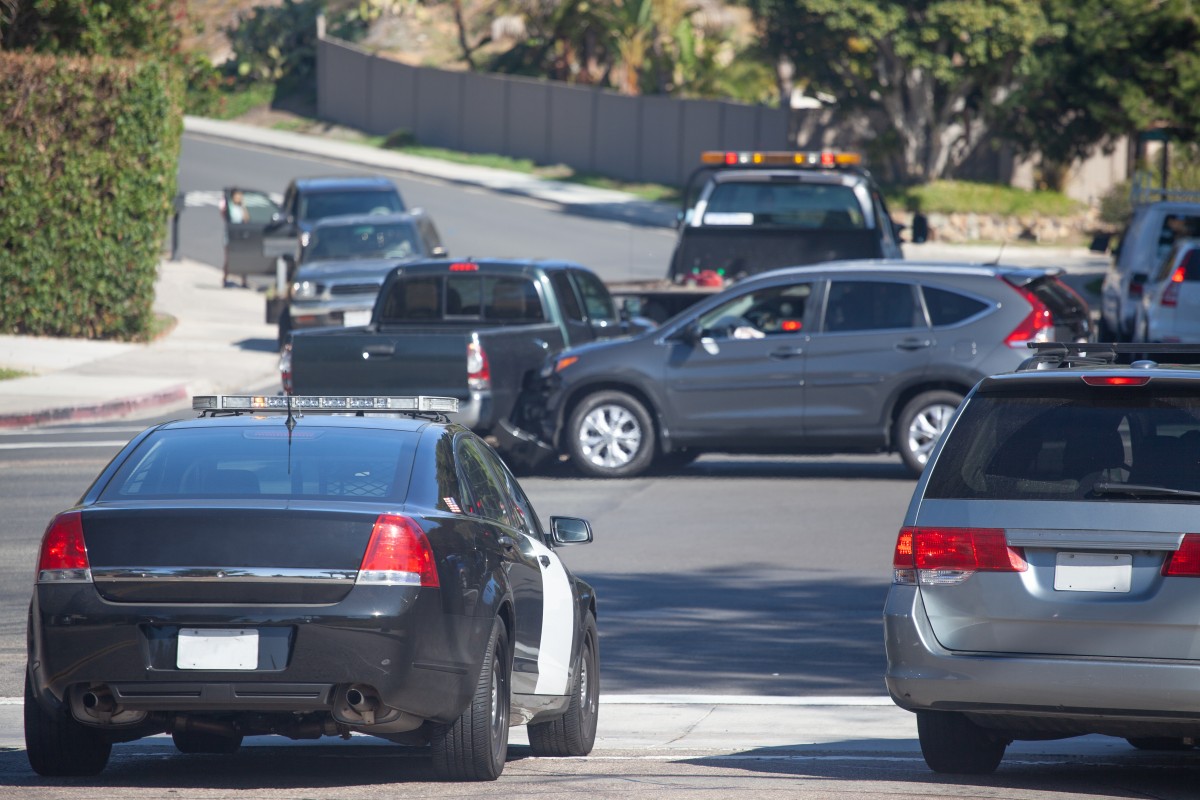 Side-impact collisions, commonly known as t-bone crashes, are some of the most dangerous types of crashes on North Dakota roads. They often happen at intersections when one vehicle fails to stop at a traffic light or stop sign, or misjudges the timing of cross-traffic. The impact of these crashes hits the side of the vehicle, where protection from injury is more limited than the front or rear. Injuries sustained in a t-bone accident can be severe and even fatal.
Understanding what happens in a t-bone collision, the types of accidents that are possible, and what to do after an accident can help accident survivors protect their health and their legal rights.
How T-Bone accidents happen
The most common reason for side-impact collisions is one driver failing to yield. Failure to yield often happens when:
- One vehicle does not stop at a traffic light or stop sign.
- A car turns left across oncoming traffic and is struck
- Vehicles travel through an uncontrolled intersection or pull out of a driveway
The front and rear ends of cars are designed with special crumple zones, which help protect passengers in the event of an accident. Unfortunately, the sides of vehicles have less protection, making side-impact collisions more dangerous and producing more injuries.
Common injuries from T-Bone collisions
T-bone crashes can produce a range of injuries, and some may not present symptoms immediately. After an accident, it’s important to get a head-to-toe medical assessment to look for injuries and keep track of new and worsening symptoms.
1. Head and brain injuries
Passengers in a car that is struck on the side may hit their heads on windows or doors. The driver bears the risk of hitting their head on the steering wheel. These impact zones can produce head injuries like concussions or traumatic brain injuries (TBIs). Symptoms may appear immediately or develop over the course of several days and can include dizziness, confusion, headaches, sensitivity to light, mood changes, and sleep disruption.
2. Neck and spinal injuries
Injuries to the neck and spinal cord can be more significant in a t-bone accident than in a rear-end collision. The forceful impact to the side of the vehicle can cause the neck and spine to move suddenly and violently in a side-to-side motion. Whiplash is common, but other injuries can include neck fractures, herniated discs, and spinal compression.
3. Chest and rib cage injuries
It’s always important to wear a life-saving seatbelt, but understand that these harnesses can cause injuries themselves. In a side-impact collision, seatbelts may crack ribs or place stress on pectoral muscles. If the impact is severe, internal injuries may occur. Trouble breathing or a cough that isn’t related to respiratory illness needs to be evaluated immediately to rule out injuries to the lungs and other internal organs.
4. Upper extremity injuries
Injuries to the arms and hands are more common in t-bone crashes than in front and rear impact crashes, due to the absence of crumple zones. Passengers who see an oncoming crash instinctively brace for the impact, which can lead to further injuries like muscle strains and sprains, and even dislocations and fractures.
5. Lower extremity injuries
Legs are vulnerable in a side-impact crash. If the vehicle is struck near the door, crushing metal and glass can puncture and cut through skin and muscle. Fractures, dislocations, and pelvic injuries may be possible in these types of accidents.
6. Emotional and psychological injuries
The emotional impact of a serious crash should never be ignored. Accident survivors can develop anxiety and depression and experience problems sleeping. It is not uncommon for accident survivors to have a serious fear of riding in or driving in cars. These emotional injuries often require professional help and treatment.
After being injured in an accident, you may find yourself with medical bills you struggle to pay. You may miss work, adding to the financial burden. For these reasons, you may need to file a claim for your damages.
Insurance and claim basics
After your accident, you’ll need to file a claim with the appropriate insurance carrier(s) to get the compensation you need to pay for medical bills and support yourself and your dependents while you recover (note that North Dakota law also requires that you report any crash involving injury or property damage exceeding $4,000 to law enforcement immediately). There are a few steps you can take to make sure you file your claim properly.
- Get immediate medical attention. Get a head-to-toe medical examination as soon as possible. This helps establish a connection between your injuries and the crash.
- Report the accident to your insurance carrier. Contact your insurer to let them know about the crash, but avoid talking to your carrier about who was at fault.
- Keep a detailed log of your medical treatments, expenses, and therapies. Any information you have about the crash and/or your injuries should be kept for quick reference.
- Learn about North Dakota’s fault laws. In North Dakota, two important rules apply that determine who can receive compensation in a car accident. First, the modified no-fault system for personal injury protection (PIP). If you are injured, you’ll first need to seek PIP benefits from your own insurer, up to $30,000. You may pursue a claim against the at-fault driver only if your injuries meet one of North Dakota’s statutory serious-injury thresholds (regardless of whether PIP benefits are exhausted).
The second rule is the modified comparative fault rule. A person may recover damages as long as their fault does not equal or exceed 50%. Any recovery is reduced by their percentage of fault. However, their compensation will be reduced by the percentage of fault they are assigned.
Even when the fault seems straightforward, insurance adjusters can attempt to minimize injuries and give lowball settlement offers. Having an experienced team of attorneys on your side can help you protect your rights and maximize your compensation.
Protect your rights after a T-Bone collision
T-bone accidents can cause severe property damage and leave you with multiple injuries. While you’re trying to heal, you’ll need to file an insurance claim to receive compensation to help you pay for medical bills and cover missed pay. An experienced accident attorney can help.
At Larson Law Injury & Accident Lawyers, we work with accident survivors throughout North Dakota. We can help you with every step of your claim. With offices in Minot, Bismarck, and Fargo, we’re here to provide you with personalized support to help you recover and get the compensation you need to move forward. Contact us today to discuss your case.

Mark Larson is a Certified Civil Trial Specialist and Certified Civil Pre-Trial Specialist focusing on personal injury, car accidents, wrongful death, and oil field claims. Since 1979, Larson Law has served the injured throughout North Dakota. Read more about Mark V. Larson.