
Flooring Types That Cause Slip and Fall Accidents
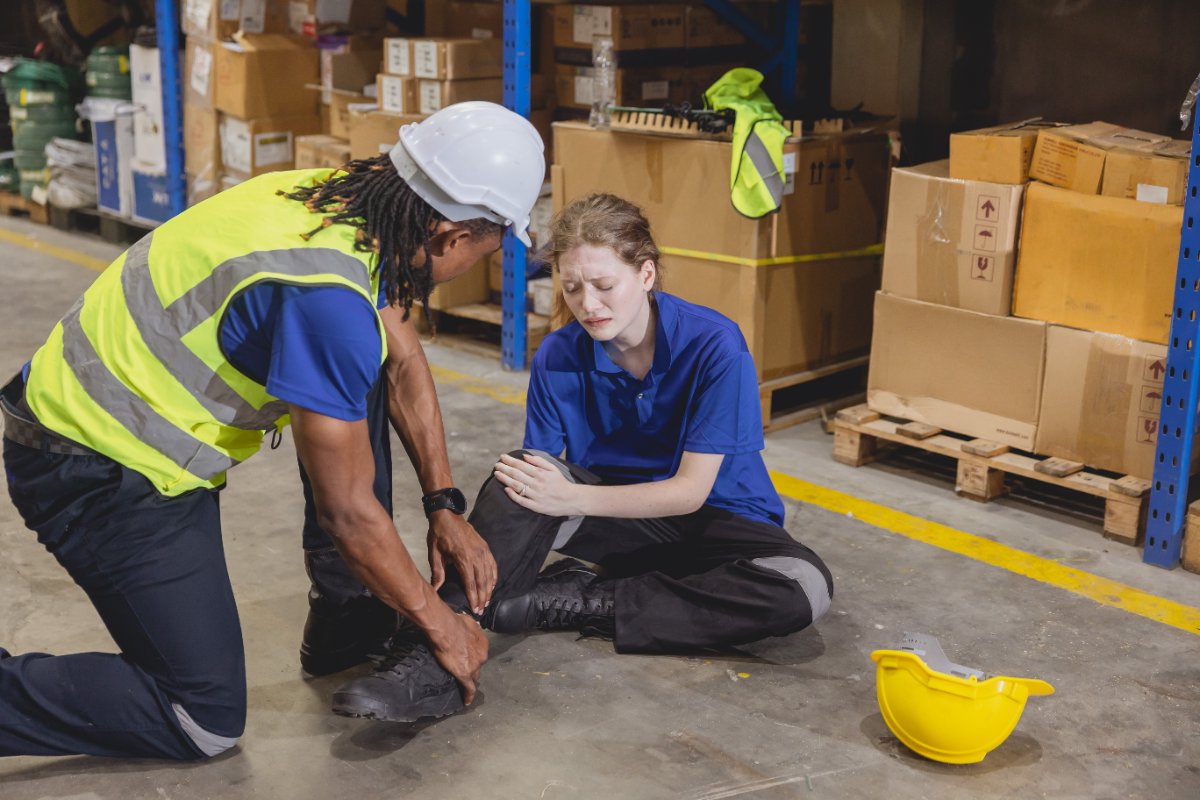 Slip and fall accidents are very common, and the type of flooring plays a role in how severe the injuries from a slip and fall can be. North Dakota, with its winter weather and heavy industrial and commercial traffic, can host dangerous conditions that increase the risk of a slip and fall. When flooring contributes to the fall, injuries can range from broken bones and sprains to long-term disability.
Certain types of flooring are more likely to cause an accident than others. Understanding the risks, what injuries could occur, and how to seek compensation if you are hurt can help if you find yourself the victim of a slip and fall accident. We’ll talk about types of accident-prone flooring and tell you how to get the compensation you need if you become injured from a fall.
Why certain floors are more hazardous
Not all floors are created equally. Some floors lack proper traction, making them more prone to accidents than others. Floors that aren’t properly inspected and maintained also increase the risk of slip and fall accidents. It’s the property owner’s legal duty to exercise reasonable care in maintaining their flooring to protect visitors from foreseeable risks (though they are not considered ‘insurers’ of a visitor’s absolute safety).
Common flooring types that lead to slip and fall accidents
Sometimes it’s easy to determine if a floor will be safe or not. Obvious slick spots, rips, or other hazards can easily be avoided. In some cases, however, the flooring looks to be dry and in good repair, but still poses a risk for a fall.
1. Polished and smooth hard floors
Although beautiful, polished marble and concrete flooring can be dangerously slick. Combine these surfaces with North Dakota’s snow-filled winters, which can send melting snow indoors and these floors become extremely dangerous. Proper signage is important to keep patrons and workers safe in these conditions.
2. Waxed or treated flooring
Waxing a floor is a common practice to keep the floor looking nice and protected from damage. Unfortunately, a freshly waxed floor is also a hazardous, slippery surface. Grocery stores and other retail spaces that operate extended hours may choose to wax or clean floors during business hours, placing an immediate threat to patrons.
3. Carpeted surfaces with wear
Carpet may provide grip, but if it’s worn out or in bad repair, it can pose a risk for slips and falls. Loose edges, improper installation, and curled corners can catch feet and cause trips. Older buildings and homes may have a higher risk for this type of flooring.
4. Uneven and broken flooring
You’ve probably noticed broken or uneven flooring when you enter older commercial buildings. Areas of cracked tile or gaps between floorboards are both dangerous and unsightly. Changes in height from one concrete slab to another surface can also pose risks if they are not properly marked with caution signage. Thresholds and transitions between two different types of flooring are common places where slip and fall accidents occur.
5. Wet or icy floors
North Dakota has cold, snowy winters that can lead to slippery floors inside buildings. Without absorbent floor mats, snow and ice can be tracked indoors, where it melts and becomes a hidden hazard. If melted snow isn’t cleaned, it can turn to ice around doorways. Many times, property owners have floor mats in place that are too small or not absorbent enough to hold the ice and snow from boots and shoes. Mats themselves may become slick and pose a threat to people entering and exiting the building.
Injuries from slip and fall accidents
Slip and fall injuries can range from mild to severe. The type of flooring a person falls on can play a role in the type of injury they sustain. Harder surfaces usually lead to more significant injuries, such as:
- Broken bones
- Head and brain injuries
- Back and spine injuries
- Soft tissue sprains, strains, and bruising
- Shoulder and arm injuries
- Emotional and psychological trauma
Even falls that seem minor can produce injuries that worsen over time. Sometimes, a person who has fallen may not feel pain from an injury right after the fall. Instead, the pain builds over time.
How floor hazards lead to liability
North Dakota law requires property owners to maintain reasonably safe conditions for lawful entrants on their property. If a floor is dangerous because it hasn’t been properly maintained, excess moisture has accumulated, or is defective, the property owner may be liable. If it’s determined that the owner knew of the hazard or should have known about it, they may be held accountable for injuries. However, under North Dakota’s modified comparative fault laws, your compensation may be reduced or barred if you are found partially responsible for the fall (such as if you were 50% or more at fault).
The North Dakota Supreme Court has explained this in multiple cases:
“Under premises liability law, landowners owe a general duty to lawful entrants to maintain their property in a reasonably safe condition in view of all the circumstances, including the likelihood of injury to another, the seriousness of the injury, and the burden of avoiding the risk.” Groleau v. Bjornson Oil Co., Inc., 2004 ND 55, ¶ 16.
If you’ve been injured in a slip and fall accident, there are steps you can take to protect your legal rights.
What to do after a slip and fall accident
Don’t wait until an injury happens to develop a plan. Review the following steps so you know what to do if you find yourself injured.
- Call for medical help immediately. Clear documentation of your injury is important, as well as getting treatment for your injuries.
- Report the incident. Notify the property owner of the fall.
- Document the scene. Take photographs and get contact information for eyewitnesses.
- Keep a detailed log. Keep records of your conversations with insurers, medical practitioners, and anyone else who has information concerning the accident.
- Get legal help.
Hiring an experienced personal injury attorney can help make the claims process smooth and keep it as stress-free as possible.
Talk to a North Dakota slip and fall attorney
Dangerous flooring shouldn’t cause long-term harm. If you were injured in a slip and fall accident due to hazardous flooring conditions, the team at Larson Law Injury & Accident Lawyers can help. With offices in Minot, Bismarck, and Fargo, we serve North Dakota accident victims who need to recover compensation for their injuries. Contact us today to find out how we can help.

Mark Larson is a Certified Civil Trial Specialist and Certified Civil Pre-Trial Specialist focusing on personal injury, car accidents, wrongful death, and oil field claims. Since 1979, Larson Law has served the injured throughout North Dakota. Read more about Mark V. Larson.