
OSHA Violations Commonly Found at North Dakota Oil Sites
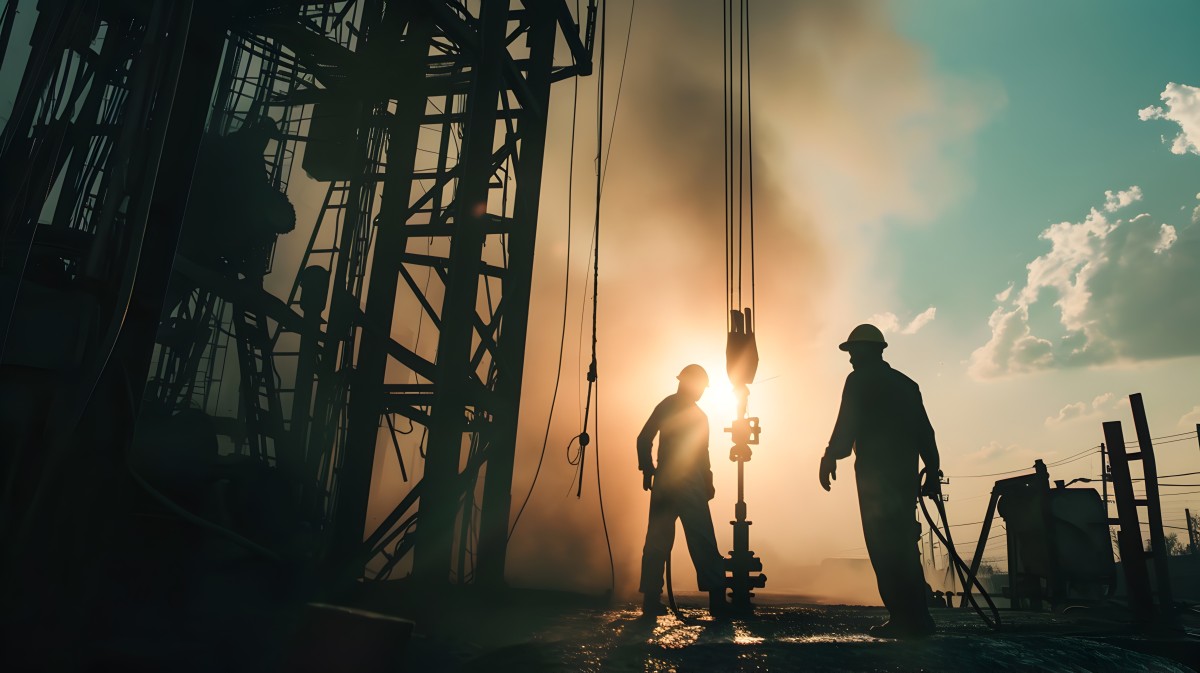 North Dakota has a large oil industry, with much of the Bakken region fitting within its borders. This industry has spurred economic growth for more than a decade in North Dakota. However, oil extraction is a notoriously dangerous industry in the United States, and workers deserve to know their rights.
Drilling rigs, fracking sites, and well pads combine combustible materials, toxic gases, extreme heights, heavy machinery, and fatigued workers—a combination that lays the foundation for workplace injuries. That’s why the Occupational Safety and Health Administration rigorously creates and enforces workplace safety standards.
Learn more about OSHA violations commonly uncovered at North Dakota oil sites. If you’ve been injured while working in the oil field, contact Larson Law Injury & Accident Lawyers.
Why OSHA compliance matters in the oilfield
OSHA compliance is critical in any industry, but it is often a matter of life and death in dangerous fields like the oil industry. OSHA requires employers to provide a workplace that is free of known hazards that cause or can cause death or serious physical harm. In a field that’s dangerous even when everything goes right, this duty is incredibly important.
Companies that cut corners to boost profits risk consequences like:
- Severe injuries and fatalities
- Explosions and fires
- Long-term toxic exposure
- OSHA fines
- Temporary or permanent shutdowns
OSHA violations can also be used as evidence in oil field injury or wrongful death cases (although they do not automatically establish liability), particularly when an employer has been warned of unsafe conditions but continues to require employees to work.
Fall protection violations
OSHA requires employers to provide fall protection systems, since falls are a common cause of injuries and deaths. On oil fields, workers often perform tasks while perched at heights. These tasks include:
- Derrick operations
- Elevated rig platforms
- Tank battery maintenance
- Accessing storage tanks
When you add in North Dakota’s extreme winters, there’s another layer of danger. Ice and snow can make existing dangers riskier for workers. Common violations include:
- Missing guardrails
- Failure to provide harnesses or lifelines
- Improperly installing anchor points
- Lack of fall protection training
Falls from rigs or tanks may leave oil field workers with traumatic brain injuries, spinal cord damage, or internal bleeding. In some cases, these injuries are fatal.
Hazard communication
Working on an oil field involves significant exposure to hazardous chemicals. OSHA requires employers to inform and train workers on these substances and how to handle them safely. Common hazards on oil sites include hydrogen sulfide gas, drilling fluids, hydraulic fracturing chemicals, and combustible vapors.
Some of the violations that oil fields are cited for include:
- Failure to maintain Safety Data Sheets
- Improper chemical labeling
- Inadequate employee training
- Lack of gas monitoring systems
Exposure to chemicals can leave workers permanently disabled or even kill them. For example, exposure to hydrogen sulfide can quickly lead to unconsciousness. If an individual is exposed to a high enough concentration, they can die. Even if a specific chemical isn’t harmful enough to lead to death, it can cause respiratory damage or neurological issues.
Control of hazardous energy (lockout/tagout)
Oil field equipment is comprised of complex moving parts and stored energy sources. Much of this equipment has stored energy that can cause harm to employees if there’s a sudden release. This OSHA regulation requires employers to keep machinery properly shut down and de-energized before it undergoes maintenance or is otherwise serviced.
Equipment that has lockout/tagout procedures includes:
- Pumps and compressors
- Rotating drill equipment
- Hydraulic systems
- Conveyor systems
Violations include not having written lockout procedures, failing to disconnect power sources, employees bypassing safety controls, and inadequate training.
If lockout/tagout procedures are ignored, oil field workers can suffer crush injuries, amputations, electrocution, or fatal entanglement.
Machine guarding
OSHA’s general machine requirements include a requirement to protect workers from exposed moving parts. This is very important on oil sites, where machinery can crush a worker or sever a limb in a matter of moments. Equipment that can cause serious harm to employees includes rotating shafts, belts and pulleys, power-driven tools, and conveyors.
Machine guarding violations include:
- Missing protective covers
- Removed or damaged guards
- Inadequate maintenance
- Failing to replace worn safety barriers
When machinery lacks proper guards, workers are at risk of becoming entangled in, cut by, or crushed by machinery in just seconds.
Respiratory protection
Working on an oil site involves exposure to airborne chemicals and hazards. Examples include silica dust (which is released during hydraulic fracturing), chemical vapors, and hydrogen sulfide gas.
OSHA requires employers to have a respiratory protection program that protects employees whenever there are exposure risks. OSHA may cite workplaces for failing to conduct proper fit testing, failing to provide medical evaluations, not having a written respiratory protection program, or failing to monitor airborne contaminants.
Electrical violations
Electrical hazards are an ever-present risk on oil sites, which is why OSHA has a number of regulations related to the use of electrical equipment. In North Dakota’s extreme cold, electrical risks can be worsened by moisture, ice, and significant weather fluctuations.
Common violations include:
- Improper grounding
- Exposed wiring
- Unsafe extension cord use
- Inadequate protection of temporary wiring
If electrical protocols are not followed, violations can lead to electrocution, arc flash burns, or fires. This is especially dangerous on oil sites, where flammable vapors can cause fast-spreading fires.
Personal protective equipment
Personal protective equipment (PPE) is a crucial part of oil site safety. One section of OSHA’s general requirements covers the use of PPE. OSHA may cite employers for failing to provide PPE, not enforcing the use of PPE, not assessing hazards properly, or allowing the use of damaged gear.
Injured while working on an oil field? Let’s talk
If you were injured while working on an oil field, you may have grounds to file a third-party injury claim. Contact Larson Law Injury & Accident Lawyers. Let’s talk more about your next steps. Call us or reach out online now.

Mark Larson is a Certified Civil Trial Specialist and Certified Civil Pre-Trial Specialist focusing on personal injury, car accidents, wrongful death, and oil field claims. Since 1979, Larson Law has served the injured throughout North Dakota. Read more about Mark V. Larson.