Common Farm Accidents and Who May Be Liable
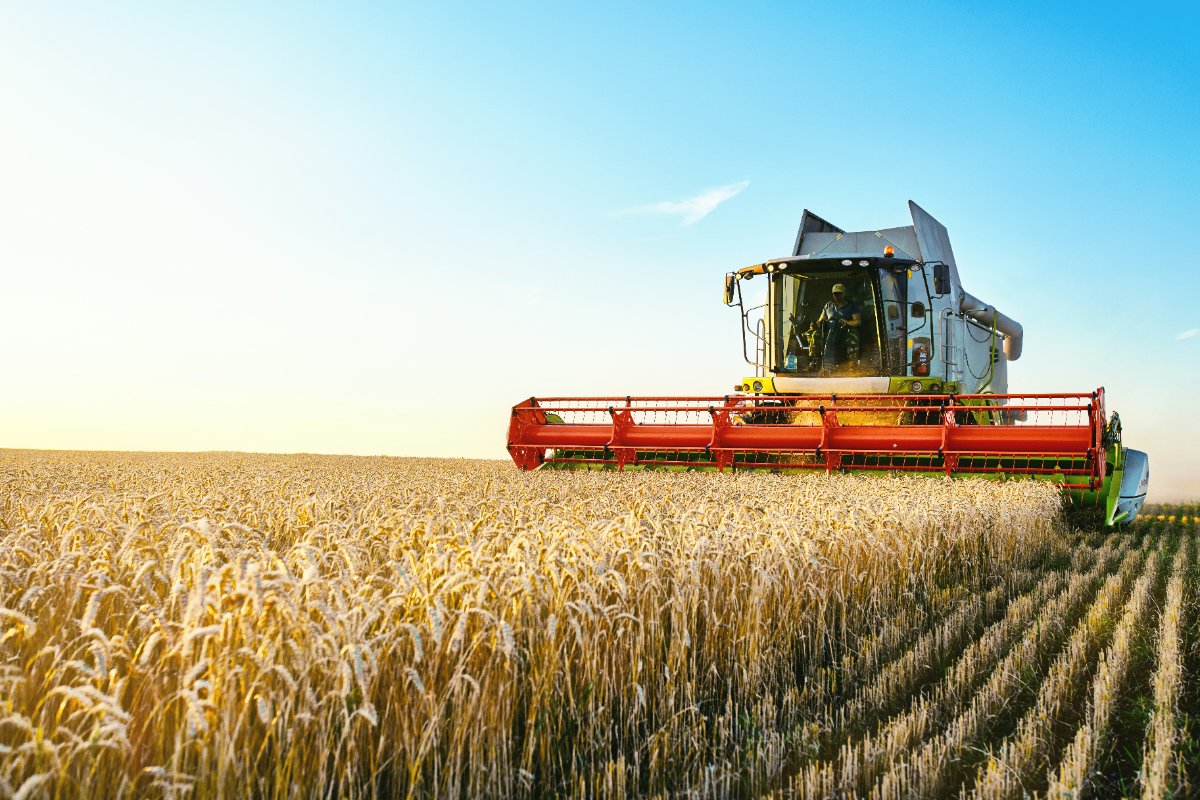 Agriculture is one of the most important industries in North Dakota, but it’s also one of the most dangerous. Workers in wheat fields, soybean farms, cattle operations, and grain storage facilities put in long hours working with unpredictable animals, heavy machinery, dangerous chemicals, and hazardous weather conditions.
Some agricultural employers may be exempt from North Dakota Workforce Safety & Insurance requirements under limited circumstances, meaning injured workers may need to pursue other legal options. However, if the employer voluntarily carries a policy, that is generally the employee’s only legal remedy, with few exceptions. If you suffered a farm injury and you’re overwhelmed by your options, let’s talk. Contact Larson Law Injury & Accident Lawyers today.
Machinery and equipment accidents
Modern farms run with the help of powerful equipment, including tractors, combines, grain conveyors, augers, and balers. When machines malfunction, or another farm worker uses them incorrectly, or without proper safety gear, catastrophic or fatal injuries may follow. Common machinery-related injuries include:
- Tractor rollovers
- Entanglement in moving parts
- Amputations
- Crush injuries
- Traumatic brain injuries
These risks are even greater during the planting and harvest seasons, when workers are likely to be fatigued and let their guard down. Bypassed safety features or ignored safety protocols can put operators and others in serious danger.
Who’s liable? Liability may rest on the farm owner or employer if a lack of training, supervision, or safety gear caused the accident. An equipment manufacturer may also be liable if their equipment failed.
Grain bin and silo accidents
Grain storage facilities present deadly hazards in agriculture. Flowing grain operates like quicksand—when a worker moves across the surface of the grain to break up blockages, they can be pulled under in seconds. Even if a worker manages to keep their head above the grain, the weight of the grain surrounding them can crush their torso and leave them unable to breathe. Workers risk grain engulfment, suffocation, falls from heights, and exposure to hazardous gases.
The rescue window for this type of injury is extremely short, and even with immediate action, a fatal outcome is still likely.
Who’s liable? Liability may rest with the employer if they do not have proper protocols and procedures for silo work or if safety harnesses and rescue systems were not provided. Property owners may be liable if defective gear or systems caused the accident.
Livestock-related injuries
Livestock can be unpredictable, no matter how much of a bond a worker has with an animal. Animals who are injured, frightened, or attempting to protect their young can lash out unexpectedly, causing grave harm to even the most experienced farmhands. Potential injuries include kicks, crush injuries, and trampling.
Injuries may occur during feeding, branding, breeding, or loading operations. You may see these injuries occur in tight spaces, including pens and chutes. In this scenario, victims have little room to escape or attempt to protect themselves.
Who’s liable? If the injury occurred due to overcrowded pens, improper fencing, or broken gates, the owner or employer may be liable for putting workers in harm’s way. Manufacturers may also be liable if their equipment failed in a way that it should not have.
Chemical and pesticide exposure
Herbicides, pesticides, and fertilizers make farm work easier, more efficient, and more productive. But when farm workers are forced to handle these chemicals without proper protective gear, or when farm owners store chemicals in a hazardous way, long-term injuries may occur. Potential injuries include:
- Skin and eye burns
- Toxic inhalation
- Chronic respiratory issues
- Long-term neurological harm
Failing to provide workers with necessary protective gear or training increases exposure risks. Workers may be encouraged to skip necessary safety steps or protocols to save time.
Who’s liable? Employers may be liable in cases where workers’ compensation does not apply or in claims involving third parties. Manufacturers may be liable if they do not properly list the dangers of the chemical compound. They can also be held liable if the chemicals do not have the necessary labels or instructions.
Falls and structural hazards
Falls are a common source of injury across many industries, including agriculture. Workers may have to navigate barn lofts, silos, ladders, and roofs. These settings present constant fall risks, and North Dakota’s inclement weather can weaken structures and create even more dangerous situations. For example, if a long winter of heavy snow damages the structural integrity of a roof and workers attempt to walk on it in spring, they may fall through and suffer severe injuries.
Common accidents include:
- Ladder collapses
- Falls from grain bins and barns
- Roof collapses caused by snow accumulation
- Slips on ice or wet surfaces
Injuries may leave farm workers with spinal cord damage, traumatic brain injuries, or internal injuries.
Who’s liable? Property owners may be held liable if they do not maintain reasonably safe premises. If they knew or should have known of a risk, they may be responsible for injuries that farm workers suffer.
Transportation and farm vehicle accidents
Farm vehicles are a common sight on North Dakota’s rural highways. Tractors, ATVs, and grain trucks can collide with other vehicles. These incidents may include grain truck crashes, ATV rollovers, tractor collisions on public roads, and equipment transport accidents. These accidents get complex very quickly, since they often involve multiple vehicles and multiple insurance policies—none of which want to cover the damages.
Who’s liable? In many vehicle accident cases, liability lies with one or both drivers. Employers may be liable under vicarious liability principles if the driver was working at the time of the collision.
Explore your legal options with Larson Law Injury & Accident Lawyers
If you’ve been injured while working on a North Dakota farm, figuring out your options can be stressful. Let’s talk about your legal rights and next steps. Fill out our online contact form or call us today to get started.

Mark Larson is a Certified Civil Trial Specialist and Certified Civil Pre-Trial Specialist focusing on personal injury, car accidents, wrongful death, and oil field claims. Since 1979, Larson Law has served the injured throughout North Dakota. Read more about Mark V. Larson.