
Oilfield Explosions and Fires: Injury Claims Explained
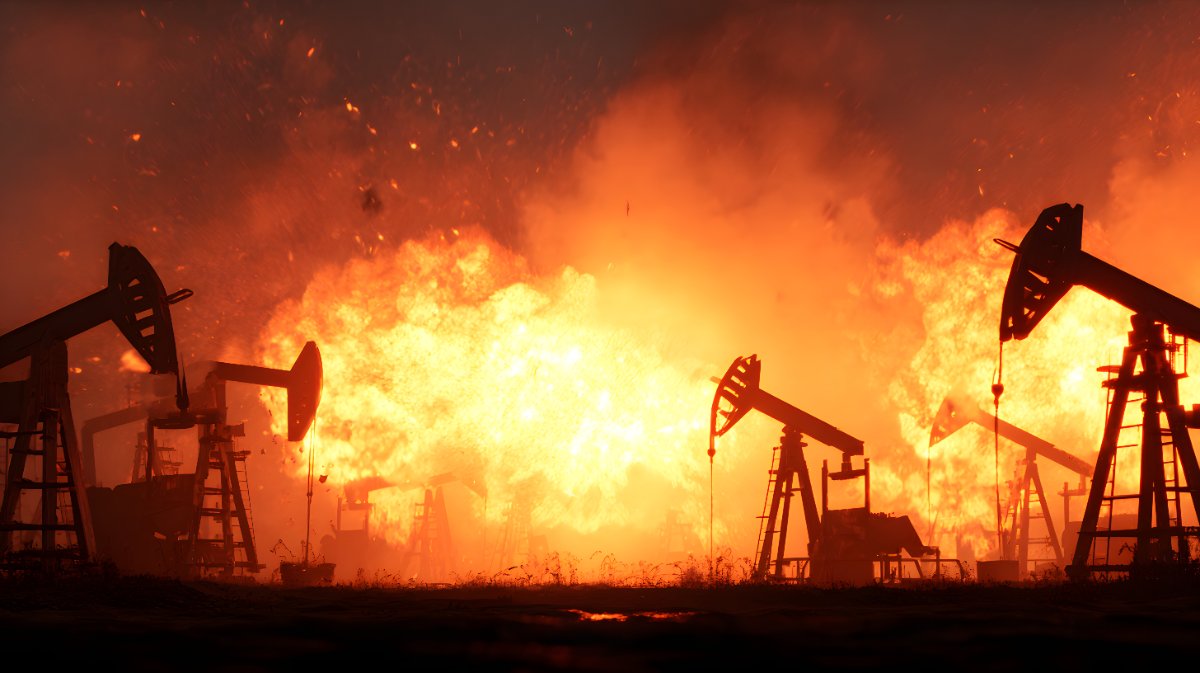 North Dakota’s oil industry, much of which lies in the Bakken region, has brought substantial economic growth and thousands of jobs to the remote state. But while oilfield work can be high-paying and plentiful, it is also incredibly dangerous. Workers put in long hours and are often away from home for weeks or months at a time—and when explosions or fires occur on drilling sites, catastrophic and fatal injuries often follow.
As an oilfield worker, knowing how oilfield explosion and burn injury claims work can help you seek compensation and closure after a devastating accident. Let’s talk more about your legal options and next steps. Call Larson Law Injury & Accident Lawyers today.
What causes oilfield explosions and fires?
A number of issues contribute to oilfield explosions and fires. This work environment is inherently risky, involving high-pressure systems, volatile gases and chemicals, heavy machinery, and combustible materials. If any combination of these factors goes wrong, explosions and fires may follow. When you add in the fact that many workers put in 12+ hour days, a simple error in judgment can be catastrophic for everyone involved.
Some of the most common causes of oilfield explosions and fires include:
- Blowouts during drilling operations
- Well control failures
- Gas leaks involving methane or hydrogen sulfide
- Faulty valves or pressure systems
- Tank battery explosions (the cause of an explosion that shut down a northwest North Dakota highway at the end of 2025)
- Electrical sparks near flammable vapors
- Improper equipment maintenance
- Failure to follow safety procedures
Blowouts occur when uncontrolled gas or oil escapes from a well. If there’s no well control system in place, the release can ignite and cause an explosion.
There are substantial federal and state safety regulations in place to minimize the risk of oilfield fires and explosions, but no regulation can fully eliminate this risk. On top of that, companies that prioritize profit over safety may ignore safety regulations to maximize productivity.
The most common injuries in oilfield explosions
Oilfield explosions are serious incidents—even the smallest one is likely to have multiple victims. Oilfield explosions or fires often cause multiple serious injuries, including:
- First-degree burns that affect the outer layer of skin
- Second-degree burns that lead to blistering and deep tissue damage
- Third-degree burns that destroy skin and cause permanent nerve damage
- Chemical burns caused by exposure to hazardous substances
- Electrical burns
- Infections caused by widespread burns
- Traumatic brain injuries caused by the force of an explosion
- Hearing loss from blast pressure
- Internal bleeding
- Broken bones
- Lung damage and respiratory failure from fume inhalation
- Psychological trauma
The risk continues long after the initial explosion. If burns cover a significant portion of the body, a victim is left at heightened risk of infections that can become septic and put their lives at risk. Burns that get down to the nerves can cause a permanent loss of sensation and functionality.
Why are oilfield explosion cases so legally complex?
Most workplace accidents are straightforward—employees file for workers’ compensation through North Dakota Workforce Safety & Insurance, receive benefits while they recover, and then return to work. Oilfield explosion cases aren’t nearly as simple.
These cases often involve multiple companies working the same oilfield at the same time. While you generally cannot sue your own employer after a workplace injury (except in limited circumstances), you may be able to sue a third party—including other companies operating in the same space. A typical drilling operation may include a site operator, drilling contractor, subcontractors, equipment suppliers, and maintenance providers. If any of them contribute to the accident through their negligence, you may not just have a workers’ compensation claim; you may also have an oilfield injury claim.
Furthermore, OSHA investigations and other agencies’ safety investigations can delay access to evidence. Findings of negligence or violations can strengthen your claim, but because these investigations can take months to wrap up, your oilfield injury attorney may be waiting on evidence for an extended period of time.
Who may be liable after an oilfield explosion?
Depending on the circumstances, a number of parties may share responsibility for an oilfield injury claim:
- Site operator: Site operators overseeing a well are often responsible for maintaining safe working conditions and well control.
- Drilling and service contractors: Contractors that perform specific operations and tasks may be liable if they are negligent in their task in a way that causes an injury.
- Equipment manufacturers: When a blowout preventer, valve, pressure control system, or other piece of equipment fails due to a defect, the manufacturer may be liable for subsequent injuries.
- Maintenance companies: This type of equipment sees heavy use and requires frequent inspections and maintenance. If a company does improper or inadequate maintenance work, it may share liability.
Because these cases are so complex, it’s common for liability to be spread among multiple parties.
What about workers’ compensation in North Dakota?
Most oilfield workers in North Dakota are covered by workers’ compensation, which provides disability benefits, partial wage replacement, and coverage for medical expenses. However, workers’ compensation is an exclusive remedy, which means you cannot typically sue your direct employer.
Can I pursue a third-party claim?
If anyone other than your employer is responsible for your injuries, you may be able to pursue a third-party claim against them. This type of claim generally allows you to recover much more compensation than a workers’ comp claim, including:
- Pain and suffering
- Full lost wages
- Loss of future earning capacity
- Disfigurement and scarring
- Long-term medical care
Accident victims may receive workers’ compensation benefits while pursuing a third-party claim. If their third-party claim is successful, workers’ compensation may be reimbursed for the benefits they paid out.
Injured in an oilfield explosion? Take the first step in your injury claim now
At Larson Law Injury & Accident Lawyers, we’re committed to representing the hardworking oilfield workers of North Dakota. Explore your legal options now by calling or contacting us online.

Mark Larson is a Certified Civil Trial Specialist and Certified Civil Pre-Trial Specialist focusing on personal injury, car accidents, wrongful death, and oil field claims. Since 1979, Larson Law has served the injured throughout North Dakota. Read more about Mark V. Larson.