Farm Equipment Defects and Product Liability Claims
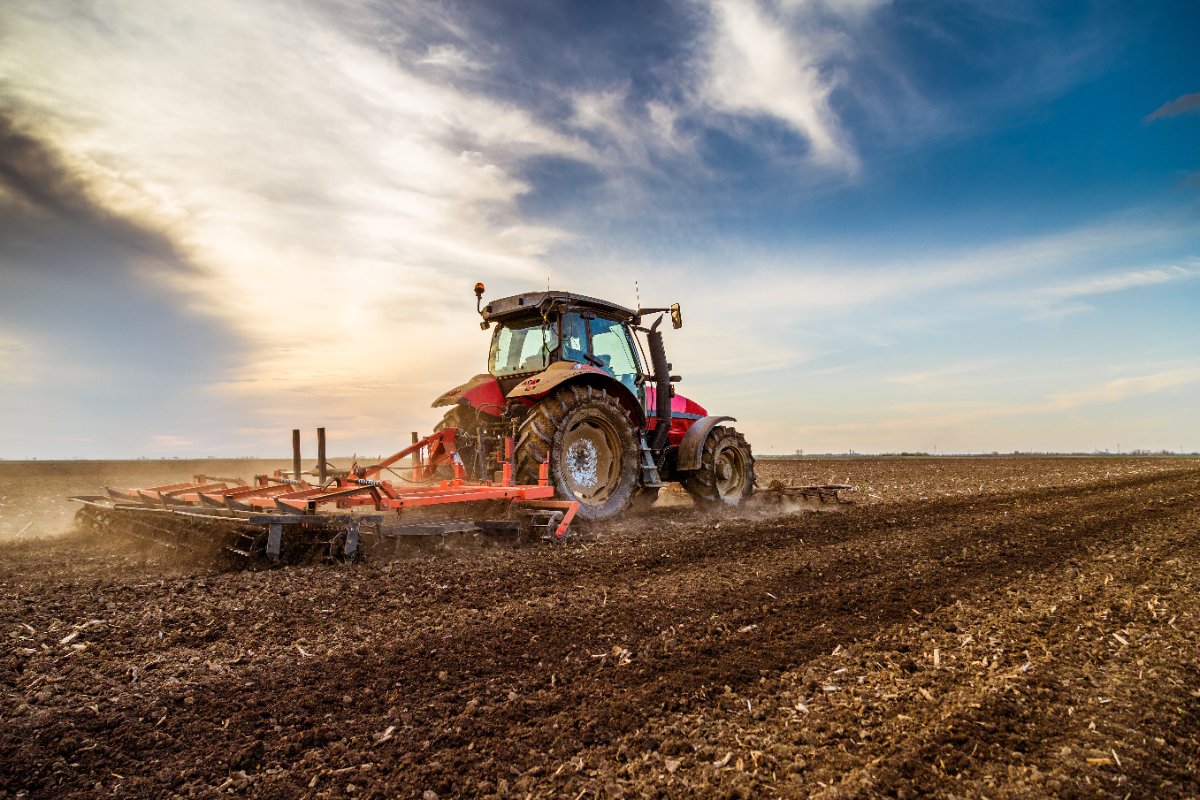 Farming in North Dakota has evolved over the years and now relies on heavy-duty machinery that streamlines common farming tasks. Combines, grain augers, tractors, balers, and livestock equipment make farm work on a massive scale much easier. However, this equipment comes with risks. Injuries are unfortunately fairly common, and because of the equipment involved, victims may suffer lifelong or fatal injuries.
When equipment failure leads to injury or death, victims or surviving family members may have options. Learn more about holding negligent product manufacturers responsible, and when you’re ready to discuss your case, call Larson Law Injury & Accident Lawyers.
What is product liability?
Product liability is an area of law that lets people hold manufacturers or retailers of unsafe products accountable for the harm they cause. Products that reach the shelves should be thoroughly tested and safe by design—when they’re not, victims may be able to sue manufacturers for their losses.
Typically, products are considered defective due to flaws in their design, manufacturing, or instructions. In the world of farm equipment, product liability lawyers point out the fact that farm equipment can’t just be safe in theory; it must be designed in a way that it can withstand demanding, real-world conditions.
How product liability applies to agricultural machinery
Agricultural machinery is powerful and inherently dangerous. But just because users accept some level of risk when using this equipment, it doesn’t mean that manufacturers have no obligation to create safe products. They still have a duty to:
- Create equipment that minimizes unnecessary risks
- Make products that meet safety standards
- Provide clear warnings and operating instructions
- Include safety guards and emergency shutoffs that minimize the risk of catastrophic injury
Large-scale grain and livestock operations are common in North Dakota, and as a result, farm machinery is used heavily during planting and harvesting seasons. Machinery manufacturers have to account for how their equipment will be used and ensure that it can stand up to that type of usage.
Operator error vs. equipment defect
Product manufacturers often have their own prominent legal teams, and they can be very good at shifting blame to protect their clients from liability. When a farm equipment accident happens, it is very common for manufacturers to claim that an accident is a result of user error. They may claim that an injured worker misused the equipment, ignored warnings, didn’t use safety equipment, or acted carelessly. This is where it’s helpful to have a farm injury lawyer advocating for you.
We recognize that some accidents are caused by improper operation, but that defense cannot be applied to every single case. Common operator errors include bypassing safety features, modifying equipment to make it faster or more efficient, ignoring safety instructions, or using machinery while fatigued or impaired.
However, many accidents are not caused by misuse; they are caused by an equipment defect. Equipment defects include:
- Safety guards that fail during normal use
- Sudden malfunction in the brake system
- Failure of hydraulic components during normal use
- Safety shutoff systems that fail to activate
North Dakota is a modified comparative negligence state. This means that injury victims can still recover compensation if they are not 50% or more at fault. Even if a victim did somehow contribute to their own farm equipment accident, that does not necessarily bar them from recovery.
What are the most common types of farm equipment defects?
Product liability claims typically fall into three categories, which we’ll explore here.
Manufacturing defects
Manufacturing defects happen when something goes wrong during the production of a product. The design may be completely safe, but something about how the manufacturer executed that design made it unsafe. Examples of manufacturing defects include:
- Faulty welds
- Cracked metal components
- Improperly installed safety guards
- Defective hydraulic seals
Depending on how manufacturing is supervised and how safety standards are enforced, these errors may only affect specific batches—or they may reflect a general carelessness in the facility as a whole.
Design defects
This type of defect occurs when a product is inherently unsafe due to how it is designed. Even if a manufacturer executes the design perfectly, the product is still not safe to use. Consider, for example, a tractor with a high center of gravity and poor rollover protection that makes it prone to tipping during regular use. Another design defect example: a product designed with materials that cannot withstand the demands of farm work.
Marketing defects
Manufacturers are expected to provide adequate warnings about foreseeable or known risks. If certain hazards aren’t obvious to users, clear warnings can save lives.
Farm equipment is often involved in defect claims
A wide range of agricultural machines can be involved in product liability claims, including:
- Tractors: Rollover incidents, brake failures, and entanglements can leave victims with catastrophic or fatal injuries.
- Combines and harvesters: Malfunctioning emergency shutoffs and exposed moving parts put farm workers at risk of amputations and crush injuries.
- Livestock equipment: Defective chutes, gates, and hydraulic squeeze systems may result in severe entanglement injuries.
- Balers: Crushing hazards and malfunctioning sensors may trap workers.
- Grain augers and conveyors: Unexpected start-ups and missing guards may lead to severe entanglement injuries.
Who may be liable?
Several parties may be held liable in farm equipment defect cases. Manufacturers that design or assemble machinery are often held liable for design and manufacturing defects. However, if a specific component of a machine fails, liability may actually rest with the company that created the smaller component.
Distributors and dealers have been found liable in cases where they sold equipment that they knew or should have known was defective.
Because some agricultural employers in North Dakota may be exempt from workers’ compensation requirements depending on the size and nature of the operation, a product liability claim can give an injured farm worker a fair shot at compensation when they would otherwise be left covering their injury-related expenses on their own.
Start your product liability claim with us today
If you’ve been injured by a defective piece of farm equipment, you may have a claim against the manufacturer. Let’s talk more about your options. Call Larson Law Injury & Accident Lawyers today or contact us online to get started.

Mark Larson is a Certified Civil Trial Specialist and Certified Civil Pre-Trial Specialist focusing on personal injury, car accidents, wrongful death, and oil field claims. Since 1979, Larson Law has served the injured throughout North Dakota. Read more about Mark V. Larson.